Football Gap Year vs University: Which Path Is Right for You?
A balanced comparison of a football gap year versus going straight to university — covering football development, education, cost, independence, timing and progression.
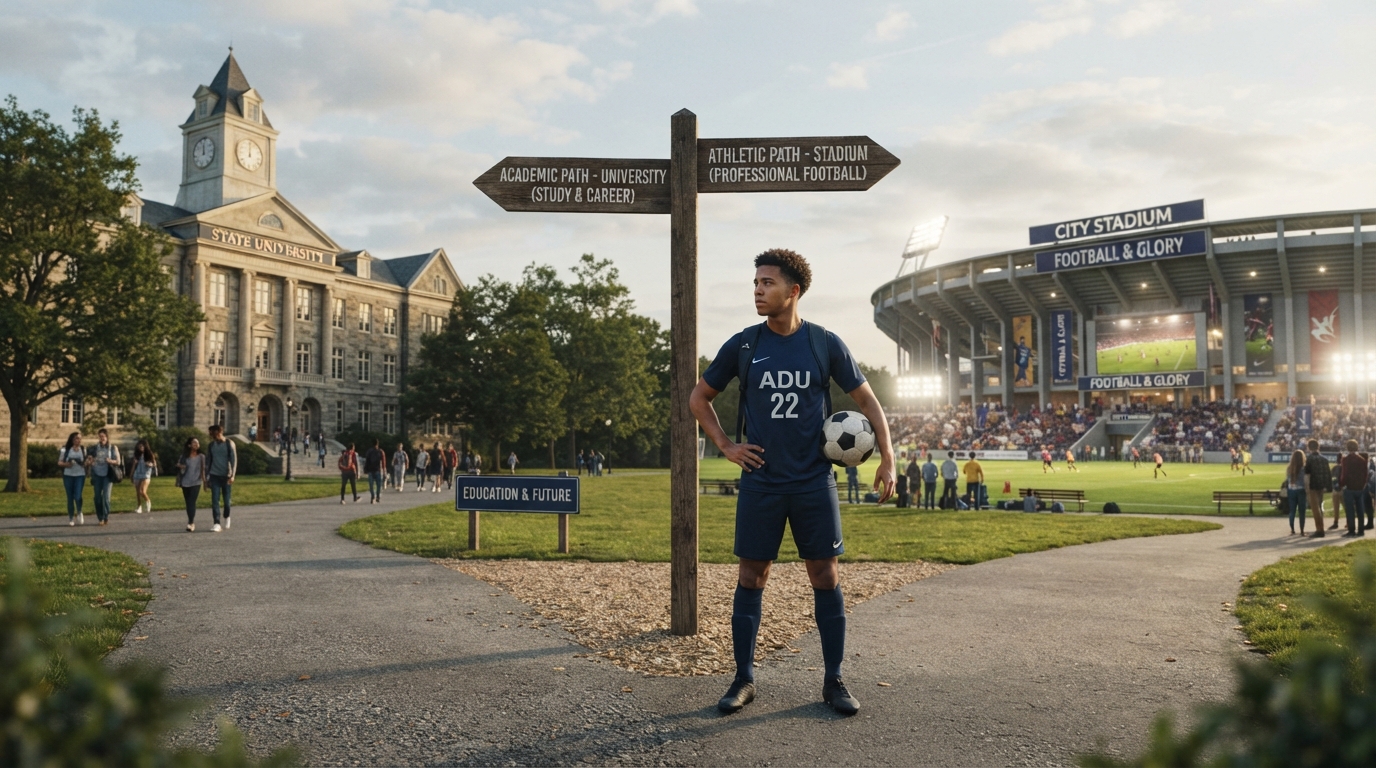
For many players, the decision after school or college is between taking a football gap year and going straight to university. This guide compares the two honestly, so you can decide which fits — or whether both could feature in your pathway.
Football Development
A football gap year puts football at the centre of the year, with regular training, matches and development. University keeps football in the picture but usually makes it one commitment among many. If maximising football development is the priority, a gap year offers more focus; if balancing football with a degree is the goal, university may suit better.
Education and Qualifications
University leads to a recognised degree over several years. A football gap year may or may not include qualifications — and if it does, they vary in recognition and relevance. If a degree is important to you, going straight to university (or planning to go after a gap year) is the clearer route.
Cost
Both involve significant cost, but the structure differs. University tuition and living costs are spread over years and often supported by loans. A football gap year is usually a shorter, concentrated cost — and may or may not include education. Compare the total cost of each against what is genuinely included.
See our breakdown of football gap year costs for the components to consider.
Independence and Experience
Both build independence, but in different ways. University develops academic and social independence over several years. A residential football gap year can develop independence more quickly, often in a new country, alongside a focused football environment. For some players, a gap year first makes them more ready for university afterwards.
International Experience
A football gap year abroad offers concentrated international and cultural experience. University can too, especially if studying abroad or in a different country, but it is usually less immersive in a football context.
Timing
A gap year can be taken before university, which is the most common pattern. It is not necessarily an either/or choice — many players take a gap year and then go to university. The question is often about sequencing, not about one path excluding the other.
Professional Football Ambitions
Neither route guarantees professional football. A gap year offers more concentrated development; university keeps football going alongside a degree. Be realistic about the level required and the likelihood, whichever route you choose.
Progression After the Year
After a gap year, players might go to university, pursue a football opportunity, take a scholarship or move into work or further education. After a degree, players might pursue football, a football industry career, further study or a graduate career. Both can lead somewhere — the question is which next step you want to be ready for.
If you are also considering studying and playing in the US, our US football scholarships guide covers that pathway. For more on what a gap year involves, see what a football gap year actually involves.
Which Is Right for You?
There is no universally better option. The right choice depends on the player's football level, academic goals, maturity, finances and what they want to do next. Some players benefit from a gap year before university; others are ready to go straight into higher education and keep football alongside it.
Start with our complete guide to football gap years in Europe for the full overview.
Could a football gap year be right for you?
A Touchline Pathway Assessment helps you compare a gap year, university and other pathways, and decide which fits your football, education and ambitions.
Explore Gap Year Football
Written by
Touchline Editorial Team
Content Team, Touchline International
The Touchline Editorial Team produces practical, evidence-led guidance for players and parents navigating football development, education and international opportunities.
Reviewed by
Touchline Editorial Team
Content Team, Touchline International
The Touchline Editorial Team produces practical, evidence-led guidance for players and parents navigating football development, education and international opportunities.
Related articles

Football Gap Years in Europe: The Complete Guide for Young Players
A complete guide to football gap years in Europe for UK and international players — covering what a gap year is, where to go, what it involves, how it differs from other pathways, costs, safety and what comes next.
Read more
What Does a Football Gap Year Actually Involve?
A practical, day-to-day look at what a football gap year actually involves — training, matches, coaching, individual development, education, independent living and progression planning.
Read more
How Much Does a Football Gap Year Cost?
A practical breakdown of what a football gap year costs — programme fees, accommodation, meals, coaching, education, insurance, travel and personal spending — and what to watch for.
Read more
Football Gap Years: What Are They and Are They Worth It?
A clear explanation of what a football gap year is, who it is for, what it typically includes and how to decide whether it is worth it for you or your child.
Read more
Is a Football Gap Year Safe? A Parent's Guide to Sending a Young Player Abroad
A practical parent's guide to football gap year safety — supervision, accommodation, safeguarding, transport, medical arrangements, communication, ten red flags and a safety checklist.
Read moreNot sure which pathway is right for you?
Your next step depends on your football, education, ambitions and circumstances. Start by understanding your options.